Web Performance Optimization (WPO)
Deliver blazing-fast web experiences that increase conversions, SEO rankings, and user satisfaction
- What is Web Performance Optimization (WPO)?
- Web Performance Optimization (WPO) is the practice of improving website speed, responsiveness, and user experience through technical optimizations. It encompasses Core Web Vitals improvement (LCP, INP, CLS), image and asset optimization, caching strategies, CDN implementation, code minification, lazy loading, and server-side performance tuning. WPO directly impacts SEO rankings, conversion rates, and user satisfaction—studies show that a 1-second delay in page load can reduce conversions by 7%.
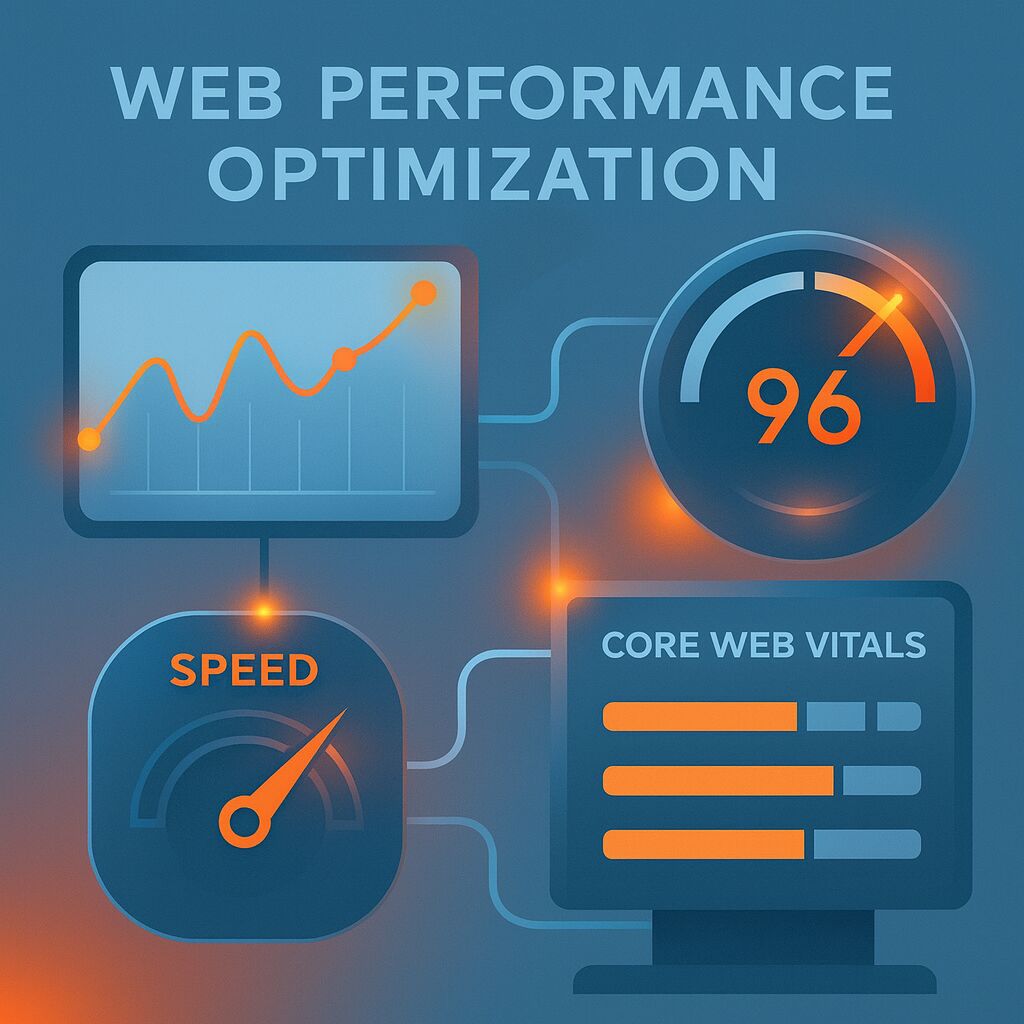
Transform your website into a speed demon with expert web performance optimization that directly impacts your bottom line. I specialize in achieving perfect Core Web Vitals scores, reducing page load times by up to 80%, and ensuring your site performs flawlessly under peak traffic. Faster websites mean better SEO rankings, higher conversion rates (up to 20% increase), and superior user experiences that keep visitors engaged.
My comprehensive approach includes advanced caching strategies with Redis and Varnish, CDN optimization for global content delivery, database query tuning for PostgreSQL and MySQL, and Application Performance Monitoring (APM) using OpenTelemetry, New Relic, and Datadog. I analyze every aspect of your stack to identify and eliminate bottlenecks, from frontend rendering to backend database queries.
Whether you need to handle Black Friday traffic spikes, improve mobile performance, or achieve perfect Google PageSpeed scores, I deliver measurable results. From code-level optimizations to serverless architecture design, I implement solutions that make your web applications lightning-fast while maintaining code quality and user experience excellence.
Core Web Vitals Excellence
- Perfect LCP scores (Largest Contentful Paint < 2.5s)
- Optimal FID/INP (First Input Delay / Interaction to Next Paint)
- Minimal CLS (Cumulative Layout Shift < 0.1)
- Google PageSpeed scores 90+ for mobile and desktop
Advanced Caching Strategies
- Redis and Memcached implementation for sub-millisecond data access
- Varnish Cache deployment for full-page caching and reverse proxy
- HTTP caching headers optimization (ETag, Cache-Control, expires)
- Browser caching strategies for static assets and dynamic content
CDN & Content Delivery
- Cloudflare, CloudFront, Fastly configuration and optimization
- Edge computing for dynamic content at the edge
- Image optimization with WebP/AVIF, responsive images, lazy loading
- Asset bundling and compression (Gzip, Brotli)
Database Optimization
- Query optimization and indexing strategies for PostgreSQL, MySQL, MongoDB
- Connection pooling (PgBouncer, ProxySQL) for reduced latency
- Read replicas and sharding for horizontal scalability
- Slow query analysis and execution plan optimization
Frontend Optimization
- Code splitting and tree shaking with Webpack, Vite, Rollup
- Critical CSS extraction and inline styles
- JavaScript optimization: async/defer loading, prefetch/preload
- Resource hints (dns-prefetch, preconnect) for third-party services
Performance Monitoring
- APM tools: New Relic, Datadog, OpenTelemetry integration
- Real User Monitoring (RUM) for actual user experience metrics
- Synthetic monitoring with Lighthouse CI, WebPageTest automation
- Performance budgets and automated alerting
Performance Optimization Tools & Technologies
Performance Optimization
Caching & Delivery
Business Impact of Web Performance Optimization
Increase conversion rates by up to 20% with faster page loads
Improve SEO rankings through better Core Web Vitals scores
Reduce bounce rates and increase user engagement
Lower infrastructure costs through efficient resource usage
Handle traffic spikes without performance degradation
Provide exceptional mobile experiences with optimized loading
Why Work With Me
Direct access to 20+ years of hands-on expertise
20+ Years Experience
Two decades of real-world experience designing, building, and optimizing production systems for startups and enterprises alike.
AWS & GCP Certified
Certified cloud architect with deep expertise in AWS and Google Cloud Platform, ensuring best practices and optimal solutions.
Hands-On Technical Expert
I write code, configure infrastructure, and solve problems directly—no delegation to junior staff or outsourcing.
Proven Results
Track record of reducing infrastructure costs by 40-60%, improving performance, and delivering projects on time.
Direct Communication
Work directly with me—no account managers or intermediaries. Clear, technical discussions with fast response times.
Bilingual Support
Fluent in English and Spanish, serving clients across Europe, Americas, and worldwide with no communication barriers.
Frequently Asked Questions
Common questions about web performance optimization
Web Performance Optimization (WPO) is the practice of improving website speed and responsiveness. Website speed matters because it directly impacts user experience, SEO rankings, and conversion rates. Studies show that 53% of mobile users abandon sites that take longer than 3 seconds to load. Faster websites lead to higher engagement, lower bounce rates, and increased revenue—every 100ms improvement in load time can increase conversion rates by up to 1%.
Website speed is a confirmed Google ranking factor and directly affects your bottom line. Slow sites rank lower in search results and lose visitors before they convert. Research shows that a 1-second delay reduces conversions by 7%, while improving speed can boost conversions by 10-20%. For e-commerce, every 100ms improvement translates to roughly 1% more revenue. Fast sites also reduce bounce rates, increase time on page, and improve overall user satisfaction—all signals that further boost SEO rankings.
My optimization process starts with a comprehensive performance audit using Lighthouse, WebPageTest, and real user data to identify bottlenecks. I then prioritize fixes by impact—addressing critical issues like render-blocking resources, unoptimized images, and slow server response first. Implementation follows in phases: quick wins within the first week, then infrastructure improvements like caching and CDN setup, followed by ongoing monitoring. Throughout the process, I measure results against baseline metrics to demonstrate measurable improvements.
Any website that loads slowly, has poor Core Web Vitals scores, or struggles during traffic spikes benefits from WPO. E-commerce sites are prime candidates since every second of delay costs sales. Content-heavy sites with many images, SaaS applications with complex interfaces, and media sites with video content all typically need optimization. If your PageSpeed score is below 50, visitors complain about slowness, or you see high bounce rates on mobile, you should consider professional WPO services.
WPO investment varies based on website complexity, from quick audits to comprehensive optimization projects. The ROI is typically excellent—faster sites generate more revenue through higher conversions, better SEO rankings, and reduced bounce rates. For e-commerce, clients often see 10-30% conversion increases that far exceed the optimization investment within months. I provide detailed before/after metrics so you can measure exact returns on your performance investment.
The timeline depends on your website's complexity and current state. A basic audit and quick-win optimizations can be completed in 1-2 weeks. A comprehensive optimization project including infrastructure changes, caching implementation, and CDN setup typically takes 4-8 weeks. I provide prioritized recommendations so you start seeing improvements immediately, with the most impactful changes implemented first.
For a complete WPO engagement, I typically need access to your hosting environment or server configuration, Google Analytics and Search Console for baseline data, and your codebase via Git repository access. For infrastructure work, access to your CDN dashboard, caching systems, and database may be required. I always work in staging environments first and can sign NDAs for sensitive projects. Clear communication channels and a point of contact for technical questions ensure smooth collaboration.
Upgrading hosting adds more resources but does not fix inefficient code, unoptimized images, or poor caching strategies. WPO addresses root causes of slowness at the application level—optimizing database queries, implementing proper caching, compressing assets, and eliminating render-blocking resources. A well-optimized site on modest hosting often outperforms a bloated site on expensive servers. True WPO combines infrastructure improvements with code-level optimizations for maximum performance gains.
Core Web Vitals are Google's metrics for measuring user experience: LCP (Largest Contentful Paint) measures loading performance, INP (Interaction to Next Paint) measures interactivity, and CLS (Cumulative Layout Shift) measures visual stability. I improve these through techniques like image optimization, code splitting, critical CSS extraction, efficient caching strategies, CDN implementation, and database query optimization. My goal is to achieve green scores (good) across all three metrics.
I set specific, measurable performance targets based on your baseline metrics—typically aiming for 90+ PageSpeed scores and green Core Web Vitals. While results depend on your specific technology stack and constraints, I provide detailed reporting showing before/after improvements. For ongoing success, I can implement continuous monitoring with Real User Monitoring (RUM) tools and automated Lighthouse CI tests that alert you to any performance regressions before they impact users.
Getting started is simple: share your website URL and I will run an initial assessment using Lighthouse and WebPageTest to identify major performance issues. We then discuss your specific goals—whether improving Core Web Vitals for SEO, handling traffic spikes, or boosting conversions. From there, I provide a detailed proposal with prioritized recommendations, estimated timelines, and expected improvements. Most audits can begin within days of initial contact.
I implement a full stack of performance optimizations: CDN configuration with Cloudflare, CloudFront, or Fastly for global content delivery; multi-layer caching using Redis, Varnish, and browser cache headers; image optimization with WebP/AVIF formats, responsive sizing, and lazy loading; JavaScript optimization through code splitting, tree shaking, and async loading; CSS optimization with critical path extraction and deferred non-critical styles; and database tuning including query optimization, indexing, and connection pooling.
Related Projects
Real-world implementations demonstrating this expertise
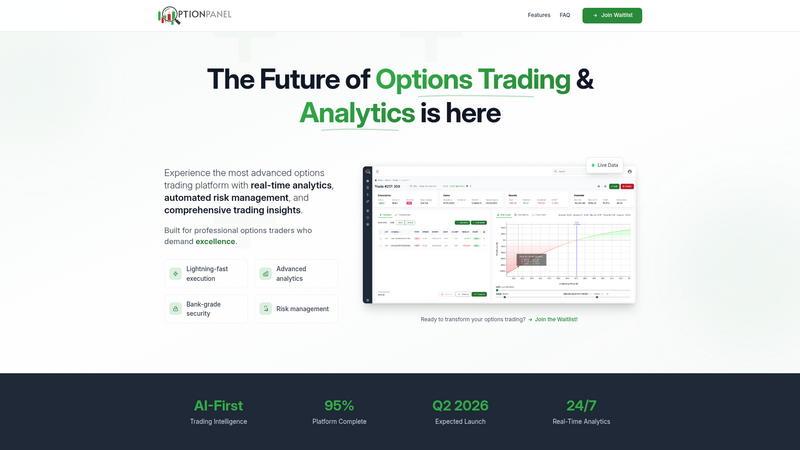

Option Panel - Modern Landing Page with Astro and Tailwind CSS
High-performance static landing page for professional options trading platform, built with Astro, Tailwind CSS, and JavaScript. Directus CMS integration for lead management with advanced spam and fraud protection. 1-week development timeline.
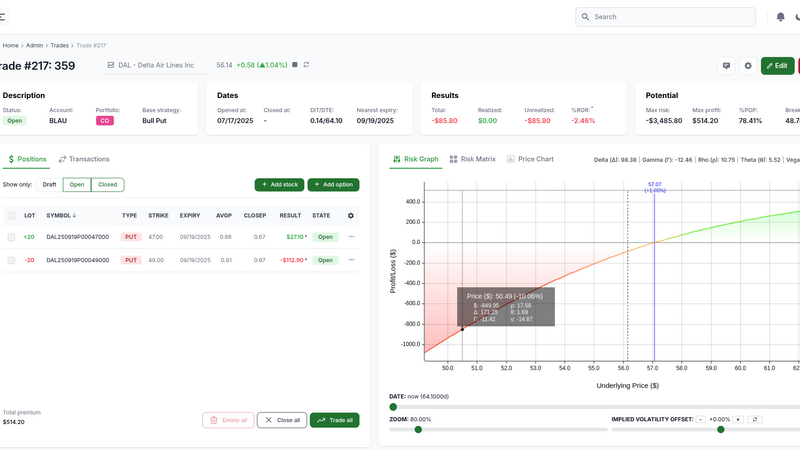
Option Panel - High-Performance Rust Options Trading Platform
Professional web-based options analysis platform combining the power of Rust and WebAssembly to perform complex financial calculations with exceptional performance, including Greeks analysis, multi-leg strategies, risk assessment and profitability evaluation with ultra-low latency.


GeoWebcams - Intelligent Webcam Discovery Platform
Comprehensive platform combining Python data processing, Rust web applications, and AI-powered workflows to discover, validate, and serve thousands of live webcams from around the world, with advanced geographic search and live streaming capabilities.

Your expert
Daniel López Azaña
Cloud architect and AI specialist with over 20 years of experience designing scalable infrastructures and integrating cutting-edge AI solutions for enterprises worldwide.
Learn more