Database Architecture & Optimization
Design scalable database systems with expert architecture, performance tuning, and optimization
- What is Database Architecture?
- Database architecture is the design and structure of database systems that store, organize, and manage an organization's data. It encompasses choosing between SQL databases (PostgreSQL, MySQL) and NoSQL solutions (MongoDB, Redis), designing schemas for optimal performance, implementing indexing strategies, ensuring data integrity, and planning for scalability and high availability. Proper database architecture is fundamental to application performance, data security, and business intelligence capabilities.

Transform your data layer into a high-performance foundation with expert database architecture and optimization services. I specialize in designing scalable database systems that handle billions of records, optimizing query performance by up to 1000x, and implementing rock-solid replication and high availability strategies. Whether you're running PostgreSQL, MySQL, MongoDB, or multi-database architectures, I ensure your data layer supports your business growth without becoming a bottleneck.
My comprehensive approach includes schema design following normalization principles, index optimization with deep query analysis (EXPLAIN ANALYZE), connection pooling (PgBouncer, ProxySQL) for reduced latency, and query optimization that transforms slow queries into millisecond responses. I implement replication strategies (streaming, logical, multi-master), sharding for horizontal scalability, and disaster recovery plans that guarantee zero data loss (RPO=0) and minimal downtime (RTO<5 minutes).
Whether you need to migrate from one database to another (Oracle to PostgreSQL, MySQL to PostgreSQL), optimize an existing database with performance issues, or architect a new data layer from scratch, I deliver production-tested solutions. From ACID-compliant relational databases to NoSQL document stores and time-series databases, I select the right tool for each job and integrate them seamlessly.
Schema Design & Normalization
- Database schema design following normalization principles (3NF, BCNF)
- Entity-Relationship Diagrams (ERD) for clear data modeling
- Denormalization strategies for read-heavy workloads
- Constraint management (PK, FK, CHECK, UNIQUE) for data integrity
Query Optimization & Performance
- Slow query analysis with EXPLAIN ANALYZE for bottleneck identification
- Index optimization (B-tree, Hash, GiST, GIN) for query acceleration
- Query rewriting for better execution plans
- Vacuum and analyze automation for statistics maintenance
Replication & High Availability
- Streaming replication for real-time data synchronization
- Logical replication for selective table replication
- Multi-master replication with conflict resolution
- Automated failover with Patroni, repmgr for zero downtime
Sharding & Scalability
- Horizontal sharding strategies (hash-based, range-based, geo-based)
- Partitioning (range, list, hash) for table size management
- Vertical scaling optimization before horizontal scaling
- Read replicas for load distribution and query offloading
Connection Pooling & Resource Management
- PgBouncer / ProxySQL for connection pooling
- Memory tuning (shared_buffers, work_mem, maintenance_work_mem)
- WAL optimization for write performance
- Autovacuum tuning for background maintenance
Database Migration & Modernization
- Oracle to PostgreSQL migration with zero downtime
- MySQL to PostgreSQL migration strategies
- Database version upgrades (in-place, parallel cluster)
- Schema migration tools (Flyway, Liquibase, Alembic)
Database Technologies & Tools
Relational Databases
NoSQL & Caching
Business Impact of Database Architecture & Optimization
Optimize query performance by up to 1000x with proper indexing and tuning
Achieve 99.99% uptime with streaming replication and automated failover
Scale to billions of records with horizontal sharding and partitioning
Reduce infrastructure costs by 40% through connection pooling and caching
Migrate from Oracle/MySQL with zero downtime and data integrity
Ensure data integrity with proper schema design and constraint management
Why Work With Me
Direct access to 20+ years of hands-on expertise
20+ Years Experience
Two decades of real-world experience designing, building, and optimizing production systems for startups and enterprises alike.
AWS & GCP Certified
Certified cloud architect with deep expertise in AWS and Google Cloud Platform, ensuring best practices and optimal solutions.
Hands-On Technical Expert
I write code, configure infrastructure, and solve problems directly—no delegation to junior staff or outsourcing.
Proven Results
Track record of reducing infrastructure costs by 40-60%, improving performance, and delivering projects on time.
Direct Communication
Work directly with me—no account managers or intermediaries. Clear, technical discussions with fast response times.
Bilingual Support
Fluent in English and Spanish, serving clients across Europe, Americas, and worldwide with no communication barriers.
Frequently Asked Questions
Common questions about database services
Database architecture services encompass the design, implementation, and optimization of database systems that store and manage your business data. This includes selecting the right database technology (PostgreSQL, MySQL, MongoDB, Redis), designing efficient schemas, implementing indexing strategies, setting up replication and high availability, and ensuring data integrity and security. A well-architected database is the foundation of any scalable application, directly impacting performance, reliability, and maintenance costs.
Proper database design directly impacts your application performance, scalability, and operational costs. A poorly designed database can result in slow queries that frustrate users, data inconsistencies that lead to business errors, and infrastructure costs that grow exponentially as data volumes increase. With proper normalization, indexing, and architecture, I help businesses reduce query times by up to 1000x, ensure data integrity through constraints and transactions, and build systems that scale efficiently from thousands to billions of records.
Database optimization follows a systematic approach. First, I conduct a comprehensive audit analyzing query patterns, execution plans, index usage, and resource utilization. Then I identify bottlenecks using tools like EXPLAIN ANALYZE, pg_stat_statements, and slow query logs. Based on findings, I implement targeted optimizations: adding or modifying indexes, rewriting inefficient queries, tuning database parameters, implementing connection pooling, and restructuring schemas if needed. Each change is tested and measured to quantify improvements.
Database optimization services are essential for businesses experiencing slow application response times, high database server CPU or memory usage, queries timing out during peak traffic, growing infrastructure costs to maintain performance, or difficulty scaling to handle more users or data. Startups planning for growth, enterprises modernizing legacy systems, and companies migrating to cloud databases all benefit from professional database architecture and optimization to ensure their data layer supports business objectives.
Database service costs vary based on scope, from focused query optimization projects to comprehensive architecture redesigns. However, the ROI is typically substantial: optimized queries reduce server costs by 40-70%, faster response times improve user satisfaction and conversion rates, and proper architecture prevents expensive emergency scaling. Many clients see their optimization investment pay for itself within 2-3 months through reduced infrastructure costs and improved application performance alone.
A database health assessment typically takes 1-2 weeks, depending on database complexity and size. This includes analyzing schemas, query patterns, index efficiency, and configuration. Optimization implementation varies: quick wins like index additions can be deployed within days, while comprehensive schema redesigns or migrations may take 4-8 weeks. I provide a detailed timeline and phased approach after the initial assessment, prioritizing high-impact optimizations that deliver immediate value.
To begin a database assessment, I need read-only access to your database server (or a production-equivalent staging environment), access to slow query logs and performance metrics, documentation about your current schema and application architecture, and information about peak traffic patterns and growth projections. All access is handled securely, and I can work within your security requirements including VPNs, bastion hosts, or on-site if needed for sensitive environments.
PostgreSQL is the better choice when you need advanced features like JSONB support, full-text search, geospatial data (PostGIS), complex queries, and strict ACID compliance. MySQL excels in read-heavy workloads, simpler applications, and when you need maximum compatibility with legacy systems. For new projects requiring scalability and modern features, I generally recommend PostgreSQL due to its superior extensibility and standards compliance.
Performance improvements vary based on current database state, but I typically achieve 10x-1000x query speed improvements through proper indexing and query optimization. Response times often drop from seconds to milliseconds. Beyond raw speed, optimizations typically reduce database server CPU usage by 50-80%, decrease memory consumption, and improve connection handling capacity. I provide before-and-after benchmarks for all optimizations so you can measure the exact impact on your specific workloads.
Data integrity is ensured through multiple layers: proper schema design with primary keys, foreign keys, and constraints; transaction management with appropriate isolation levels; and validation at both application and database levels. For backups, I implement automated strategies including continuous WAL archiving for point-in-time recovery, regular full backups stored in multiple locations, and tested restoration procedures. I design backup strategies to meet specific RPO (Recovery Point Objective) and RTO (Recovery Time Objective) requirements.
Getting started is straightforward. First, we have a brief discovery call to understand your current challenges and objectives. Then I set up secure, read-only access to your database environment and begin the assessment. Within 1-2 weeks, you receive a comprehensive report detailing findings, prioritized recommendations, and estimated impact of each optimization. We then discuss the report and agree on an implementation plan that fits your timeline and budget, starting with the highest-impact improvements.
I specialize in PostgreSQL and MySQL/MariaDB for relational databases, with deep expertise in advanced features like JSONB, full-text search, PostGIS, and replication. For NoSQL, I work with MongoDB for document stores, Redis for caching and real-time data, and DynamoDB for serverless applications. I also implement TimescaleDB for time-series data and Elasticsearch for search workloads. For migrations, I use tools like Flyway, Liquibase, and Alembic to ensure version-controlled, repeatable database changes.
Related Projects
Real-world implementations demonstrating this expertise


GeoWebcams - Intelligent Webcam Discovery Platform
Comprehensive platform combining Python data processing, Rust web applications, and AI-powered workflows to discover, validate, and serve thousands of live webcams from around the world, with advanced geographic search and live streaming capabilities.

AWS Infrastructure Optimization for Virtway Metaverse - Aurora Serverless v2 and intelligent autoscaling
Highly scalable AWS architecture designed to support virtual events with extreme traffic spikes for Virtway Metaverse. Implementation of Aurora Serverless v2 with multi-layer hybrid autoscaling, optimized RDS Proxy and advanced scaling strategies that reduced latency and costs while ensuring availability during connection avalanches.
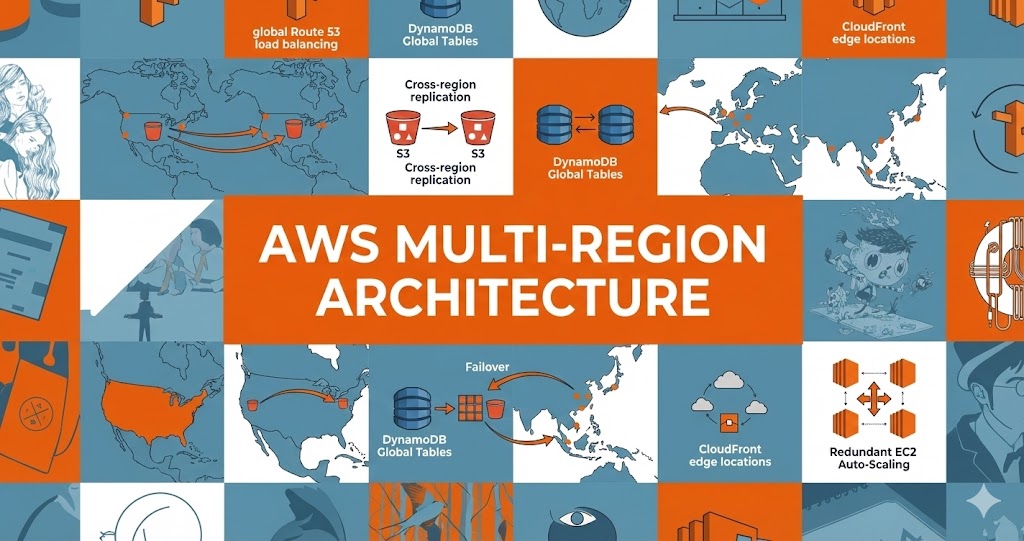

Domestika: DevOps & Cloud Infrastructure Transformation
Led complete infrastructure modernization for a fast-growing creative learning platform, implementing multi-region AWS architecture and comprehensive DevOps automation that supported the company's growth from 20 employees to unicorn status.

Your expert
Daniel López Azaña
Cloud architect and AI specialist with over 20 years of experience designing scalable infrastructures and integrating cutting-edge AI solutions for enterprises worldwide.
Learn more